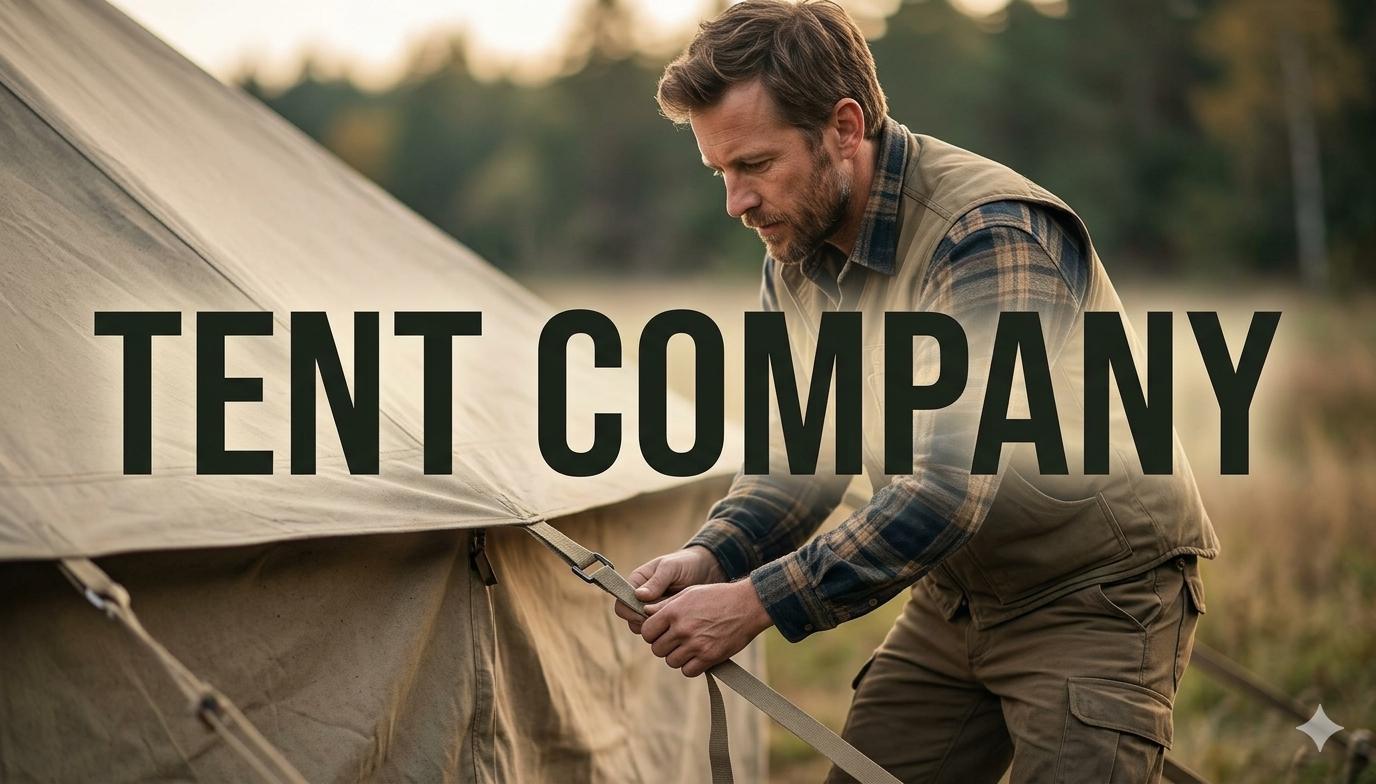
The events and outdoor hospitality sector has evolved dramatically over the past two decades. From simple gatherings under temporary shelters to highly sophisticated experiences that rival permanent venues, the expectations of clients and guests have risen sharply. At the heart of this transformation is the tent company, a business model that combines engineering, design, logistics, and customer service into a single solution for temporary yet impressive structures. These businesses no longer merely provide cover from the weather; they help shape memories, brand impressions, and functional spaces for a wide range of occasions.
Understanding how this industry operates requires looking beyond fabric and poles. Success depends on planning expertise, safety standards, innovation, and the ability to adapt to different cultural, climatic, and logistical demands. In markets across the globe, including the United Kingdom, demand continues to grow as people seek flexible venues that can be installed almost anywhere.
The Evolution of Temporary Structures
Temporary shelters have existed for thousands of years, originally serving practical needs such as nomadic living, military camps, and marketplaces. Over time, materials improved, designs became more refined, and usage expanded into social and commercial settings. Today, the tent company operates in a space where tradition meets advanced technology. Modern fabrics are fire-retardant, waterproof, UV-resistant, and engineered to withstand significant wind loads.
This evolution has allowed temporary structures to be used for weddings, exhibitions, sports events, festivals, and emergency relief operations. What was once seen as a compromise compared to permanent buildings is now often a deliberate choice because of flexibility, speed of installation, and cost efficiency.
Core Services Offered
A professional tent company typically offers a broad portfolio of services rather than a single product. These services often include site inspection, design consultation, installation, dismantling, and post-event support. Clients rely on these providers not only to deliver physical structures but also to ensure compliance with local regulations and safety standards.
In many cases, additional services such as flooring, lighting, climate control, staging, and interior décor are bundled into a single package. This integrated approach simplifies event planning and reduces the risk of miscommunication between multiple vendors. By acting as a central coordinator, the provider becomes an essential partner rather than a simple supplier.
Customization and Design Innovation
One of the defining features of a modern tent company is its ability to customize solutions. No two events are exactly alike, and clients increasingly demand unique layouts that reflect their brand identity or personal taste. Clear-span structures, transparent roofs, curved frames, and modular designs allow for almost limitless creative expression.
Design innovation also focuses on functionality. For example, corporate clients may require acoustically optimized interiors for presentations, while wedding clients might prioritize aesthetic elements such as draping and chandeliers. The ability to balance form and function is what distinguishes industry leaders from basic operators.
Safety and Regulatory Compliance
Safety is a non-negotiable aspect of this industry. A reputable tent company invests heavily in training, certifications, and quality control. Temporary structures must comply with building codes, fire regulations, and occupancy limits, even though they are not permanent. Failure to meet these requirements can result in serious consequences, including legal liability and reputational damage.
Regular equipment inspections, load calculations, and risk assessments are standard practices. In regions with unpredictable weather, contingency planning becomes especially important. Clients often underestimate these behind-the-scenes efforts, yet they are fundamental to delivering a successful and safe event.
Logistics and Project Management
Logistics play a critical role in the success of any large-scale installation. A tent company must coordinate transportation, labor, timing, and site access with precision. Delays or errors can disrupt entire event schedules, leading to financial losses and dissatisfied clients.
Effective project management ensures that installations are completed on time and within budget. This involves clear communication with clients, venue owners, and other service providers. Advanced planning software and experienced supervisors help streamline operations, even in challenging environments such as remote locations or urban centers with limited space.
Sustainability and Environmental Responsibility
As awareness of environmental issues grows, sustainability has become an important consideration in the events industry. A forward-thinking tent company adopts eco-friendly practices such as reusable materials, energy-efficient lighting, and waste reduction strategies. Compared to permanent construction, temporary structures already offer environmental advantages by minimizing land disturbance and material consumption.
Some providers go further by sourcing recyclable fabrics, using modular components that extend product life cycles, and offering carbon-neutral options. These efforts not only reduce environmental impact but also appeal to environmentally conscious clients.
Market Demand and Client Expectations
Demand for temporary event structures continues to rise due to changing lifestyles and business needs. Outdoor weddings, pop-up retail spaces, and experiential marketing campaigns are just a few examples of trends driving growth. Clients expect a tent company to deliver not only reliability but also creativity and professionalism.
The competitive landscape has intensified, pushing providers to differentiate themselves through service quality, innovation, and customer experience. Online reviews, word-of-mouth referrals, and visual portfolios now play a significant role in influencing purchasing decisions.
Technology Integration
Technology has become a powerful enabler in this industry. From 3D design renderings that help clients visualize their event space to inventory management systems that optimize asset utilization, digital tools improve efficiency and transparency. A modern tent company leverages these technologies to enhance accuracy and reduce errors.
On-site, technology supports better execution through GPS-guided logistics, real-time communication, and advanced safety monitoring. These tools allow teams to respond quickly to changes and maintain high standards even under pressure.
Workforce and Expertise
Behind every successful installation is a skilled workforce. Training and experience are critical, as crews must handle heavy equipment, work at heights, and adapt to varying site conditions. A professional tent company invests in continuous training to ensure that staff remain up to date with best practices and safety protocols.
Leadership within these organizations often comes from backgrounds in engineering, construction, or event management. This multidisciplinary expertise enables them to understand both the technical and creative aspects of their work.
Financial Considerations and Value
Cost is always an important factor for clients, but value goes beyond price alone. A reliable tent company offers transparent pricing, detailed proposals, and realistic timelines. Hidden costs and last-minute changes can undermine trust, so clear agreements are essential.
From a business perspective, managing capital-intensive assets such as structures, vehicles, and equipment requires careful financial planning. Successful companies balance investment in new inventory with maintenance of existing assets to ensure long-term profitability.
Challenges Facing the Industry
Despite its growth, the industry faces several challenges. Weather-related risks, labor shortages, and fluctuating material costs can impact operations. Additionally, increased competition places pressure on margins, making efficiency and differentiation more important than ever.
Regulatory changes and evolving safety standards require constant attention. A proactive tent company monitors these developments closely to remain compliant and competitive. Adaptability has become a key survival skill in an environment where client expectations and external conditions can change rapidly.
The Future Outlook
Looking ahead, the future appears promising for the temporary structures sector. Innovation in materials, design, and sustainability will continue to expand possibilities. Clients will increasingly seek partners who can deliver immersive experiences rather than basic infrastructure.
A forward-looking tent company will focus on building long-term relationships, investing in technology, and maintaining high standards of service. By doing so, it can position itself not just as a supplier, but as a trusted advisor in the event planning process.
Conclusion
The role of a tent company in today’s event industry extends far beyond providing shelter. It encompasses design, engineering, logistics, safety, and customer experience. As events become more complex and expectations continue to rise, these businesses play a crucial role in turning ideas into reality.
By embracing innovation, prioritizing safety, and committing to sustainability, a professional tent company can thrive in a competitive market. Ultimately, success is built on trust, expertise, and the ability to deliver memorable experiences in any setting.